The Future of HR Teams: Humans and Agents Working Side by Side
The future of HR isn't human or machine. It's both. Learn how AI agents handle coordination and admin while HR professionals shift to strategy, culture, and employee experience over the next 2-3 years.

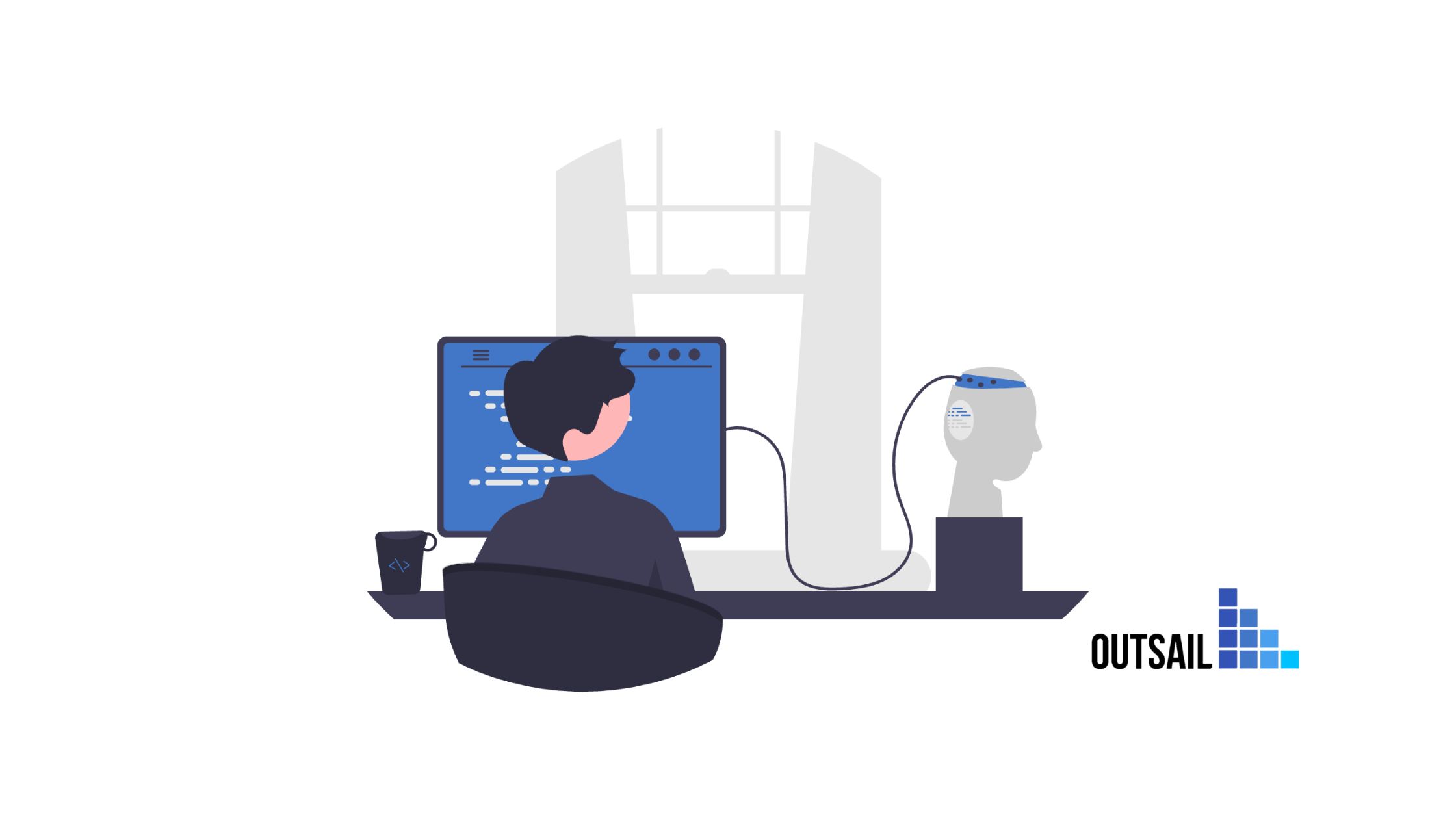
The HR team of 2028 won't look like the HR team of 2024. But it won't look like science fiction either.
The change is more practical than most thought leadership pieces suggest. HR professionals won't be replaced by robots. They won't become "prompt engineers." And they won't spend their days supervising a fleet of autonomous systems from a command center dashboard.
What will change is the mix of what HR teams spend their time on. The administrative coordination that currently consumes up to 57% of HR professionals' working hours will increasingly be handled by AI agents. The work that requires human judgment, empathy, creativity, and relationship-building will expand to fill the space that automation creates.
This isn't a theoretical shift. CHROs project a 327% growth in agent adoption by 2027, with 80% projecting that most workforces will have people and AI agents working together within five years. IBM has outlined a 2027 vision for becoming an "AI-hybrid organization" where humans and agents collaborate fluidly across workflows. The infrastructure is being built right now.
The question for HR leaders isn't whether this future is coming. It's how to position your team for it, practically and starting today.
The Shift: From Execution to Oversight
What HR Teams Do Today
Most mid-market HR teams spend the majority of their time on operational execution: processing onboarding paperwork, chasing down missing documents, updating employee records across multiple systems, answering the same benefits questions dozens of times per month, tracking compliance deadlines in spreadsheets, and manually coordinating job changes across payroll, HRIS, and benefits platforms.
This work is necessary. It keeps the organization running. But it's also repetitive, rule-based, and error-prone when done manually at scale. It's the reason HR leaders consistently report feeling under-resourced. Not because their teams aren't working hard, but because so much of that hard work goes toward tasks that follow predictable patterns rather than tasks that require strategic thinking.
What Changes With Agents
AI agents take over the coordination layer. They handle the multi-system orchestration, the deadline tracking, the data synchronization, the routine decision-making, and the repetitive employee inquiries that currently consume the bulk of HR bandwidth.
This doesn't eliminate HR jobs. It transforms them. The onboarding coordinator who currently spends 60% of their time chasing document completion and triggering system tasks becomes an onboarding experience designer who focuses on making the first 90 days meaningful. The HR generalist who answers the same 50 PTO and benefits questions every month becomes a strategic partner who spends that time on retention analysis, manager coaching, and workforce planning.
The World Economic Forum reports that employers expect 39% of workers' core skills to change by 2030. For HR specifically, research suggests the role is evolving 60% faster than other functions, driven by the need to master AI governance, hybrid workforce design, and skills-based talent strategy.
The New Operating Model
The HR team of the near future operates on a clear division of labor:
- Agents handle: data entry and synchronization across systems, routine workflow execution (onboarding task sequences, offboarding checklists), first-line employee inquiry resolution, compliance monitoring and deadline tracking, document collection and verification, and standard report generation.
- Humans handle: employee relations and sensitive conversations, policy interpretation in ambiguous situations, organizational design and workforce planning, manager coaching and leadership development, culture-building and employee experience strategy, governance and ethical oversight of AI systems, and exception adjudication when agents escalate.
This model doesn't require fewer HR professionals. It requires HR professionals doing different, higher-value work.
What Each HR Role Looks Like in a Human + Agent Model
The shift from execution to oversight plays out differently depending on the role. Here's what the near-term evolution looks like for the most common mid-market HR positions.
HR Generalist / HR Coordinator
- Today: Spends most of the day processing transactions. Updating employee records, answering routine questions, chasing approvals, and coordinating between systems.
- With agents: Agents handle the transactional work. The generalist becomes a "people operations analyst" who reviews agent outputs, handles exceptions that require human judgment, identifies process improvement opportunities from agent data, and serves as the human point of contact for employees who need more than a standard answer.
- The skill shift: From system navigation and data entry to analytical thinking, exception management, and employee advisory.
Benefits Administrator
- Today: Manages enrollment windows, answers plan comparison questions, processes life event changes, tracks ACA eligibility, and troubleshoots claim issues.
- With agents: A benefits agent handles enrollment triggers, eligibility tracking, and routine plan questions. The administrator focuses on benefits strategy (plan design, vendor negotiations, cost analysis), complex employee situations (disability coordination, COBRA administration for unusual cases), and quality assurance of agent-driven enrollment accuracy.
- The skill shift: From administrative processing to benefits consulting and strategic planning.
Compliance / HRIS Analyst
- Today: Maintains system configurations, runs compliance reports, tracks regulatory changes, and audits data accuracy.
- With agents: Compliance agents monitor regulations continuously, flag gaps automatically, and generate audit-ready documentation. The analyst shifts to governance oversight, defining the rules agents follow, validating their accuracy, updating logic when regulations change, and serving as the accountability layer for AI-driven compliance decisions.
- The skill shift: From report-pulling and manual auditing to governance design, regulatory interpretation, and AI oversight.
HR Business Partner
- Today: Splits time between strategic advising and firefighting. Often pulled into operational tasks because the team is under-resourced.
- With agents: Operational firefighting largely disappears because agents handle the coordination that previously consumed reactive bandwidth. The HRBP becomes a full-time strategic partner: advising managers on team dynamics, leading organizational design conversations, facilitating talent reviews, and shaping workforce planning strategy.
- The skill shift: This role changes least in kind but most in capacity. The HRBP finally has the time to do the strategic work their job description always described but their calendar never allowed.
The transition from execution to oversight doesn't happen overnight. It starts with preparing your processes, data, and tech stack. OutSail's evaluation tools help you identify which workflows agents can take over first, so your team can start shifting sooner.
Five Things That Stay Human (No Matter How Good Agents Get)
The anxiety around AI in HR almost always centers on replacement. But the reality is that several core HR functions are structurally resistant to automation because they depend on capabilities that AI agents fundamentally lack.
1. Sensitive Employee Conversations
Delivering a termination notice. Discussing a performance concern. Helping an employee through a personal crisis that's affecting their work. Mediating a conflict between team members. These conversations require emotional intelligence, contextual judgment, and genuine human empathy. An agent can prepare the documentation, schedule the meeting, and generate a summary afterward. The conversation itself must be human-led.
2. Culture and Values Work
Culture isn't a workflow. It's a set of behaviors, norms, and unwritten expectations that shape how people experience work. Building, maintaining, and evolving organizational culture requires reading social dynamics, modeling desired behaviors, and making judgment calls about what aligns with company values. This is inherently human work.
3. Ethical and Ambiguous Judgment Calls
Should we approve this accommodation request that doesn't fit neatly into policy? Is this performance issue a coaching opportunity or a documentation moment? Does this candidate's non-traditional background outweigh their lack of a specific credential? These decisions require weighing competing values, considering context that isn't captured in any system, and accepting accountability for the outcome. Agents can inform these decisions with data. They can't make them.
4. Strategic Workforce Planning
Deciding which roles the company needs in 18 months, which skills are becoming obsolete, and how the organizational structure should evolve to support new business strategies requires synthesizing market intelligence, business strategy, and people dynamics. Agents can provide the data and even generate projections. The strategic interpretation and decision-making remain human.
5. Trust-Building and Relationship Management
Employees need to trust their HR team. That trust is built through one-on-one conversations, consistent follow-through on promises, visible advocacy, and the sense that HR genuinely cares about people as individuals. No agent, regardless of how sophisticated, can build that kind of relational trust. It's the most irreplaceable thing HR professionals do.
How to Prepare Your Team for the Transition
The HR teams that will thrive in a human + agent model are the ones preparing now, not waiting for the technology to arrive on their doorstep. Here's the practical playbook.
Invest in Process Documentation
Agents can only take over work that's been explicitly defined. Every process your team wants to hand off to an agent needs to be documented in detail: every step, every exception, every decision point. This is the single most valuable prep activity, and it improves operations immediately even before agents enter the picture.
Upskill Your Team for Oversight, Not Execution
The skills that make someone great at processing transactions aren't the same skills needed for reviewing agent outputs, managing exceptions, and providing strategic counsel. Start investing in analytical thinking, data interpretation, governance and compliance interpretation, and advisory skills. These investments pay off regardless of AI adoption timelines.
Clean Your Data and Rationalize Your Stack
Agents depend on clean, consistent data across well-integrated systems. If your HR tech stack is fragmented, start consolidating. If your employee data conflicts across platforms, start cleaning. These are the foundational investments that make agent deployment possible.
Identify Your Pilot Workflows
Pick two or three high-volume, repeatable processes where agents can deliver immediate value. Employee helpdesk inquiries, onboarding orchestration, and compliance tracking are the most common starting points. Getting agents running on these workflows first builds organizational confidence and creates the capacity for your team to shift toward higher-value work.
Choose Your Operating Model
Most mid-market companies won't have the resources to manage agents internally. Decide early whether you'll hire dedicated agent management staff or partner with an external firm that provides managed AI agent operations. The partner model is typically faster, less expensive, and more sustainable for companies that don't have existing AI operations infrastructure.
Preparing for the human + agent future starts with knowing where you stand today. Book a free consultation with OutSail to assess your processes, data, and tech stack, and get a roadmap for transitioning your HR team from execution to strategic oversight.
The HR Team That Wins in 2028
Three years from now, the highest-performing HR teams won't be the ones with the most advanced AI technology. They'll be the ones who figured out the right balance between what agents do and what humans do, and invested early in the transition.
These teams will be smaller in administrative headcount but larger in strategic impact. Their HR generalists will spend time on employee experience rather than data entry. Their compliance analysts will govern AI systems rather than pull manual reports. Their HRBPs will advise on organizational design rather than firefight operational issues.
And the companies that partner with firms who already know their tech stacks, processes, and pain points will get there faster than the ones trying to figure it out alone.
The future of HR isn't human or machine. It's human and machine, working together, each doing what they do best.
OutSail already maps the HR tech stacks, processes, and pain points of hundreds of mid-market companies. That accumulated context is the foundation for designing an operating model where humans and agents work together effectively. See how it works.
Frequently Asked Questions
How will AI change HR teams in the future?
AI agents will take over the administrative coordination work that currently consumes the majority of HR time: data entry, routine inquiries, compliance tracking, onboarding task sequences, and cross-system updates. HR professionals will shift toward strategic work that requires human judgment: employee relations, workforce planning, culture-building, governance, and exception management. The total number of HR roles may not shrink, but the mix of skills required will change substantially.
Will AI agents replace HR professionals?
No. AI agents automate repetitive coordination and rule-based decision-making, but they can't handle sensitive conversations, ethical judgment calls, culture work, strategic planning, or trust-building. These distinctly human capabilities become more valuable, not less, as agents take over operational tasks. The shift is from execution to oversight, not from employment to unemployment.
What new skills will HR professionals need in an AI-powered workplace?
The emerging skill set includes AI oversight and governance, data interpretation and analytics, exception management and quality assurance, strategic advisory and organizational design, and change management for hybrid human-agent teams. The shift is away from system navigation and transactional processing toward analytical thinking, relationship management, and strategic decision-making.
How should HR teams prepare for working alongside AI agents?
Start with four steps: document your highest-volume workflows in detail so agents have explicit processes to follow, clean your employee data across all connected systems, rationalize your tech stack so systems are well-integrated, and identify two to three pilot workflows where agents can deliver quick wins. Then decide whether to manage agents internally or partner with a firm that provides managed AI operations.
What does a human + AI operating model look like in HR?
In a human + agent model, AI handles data synchronization, routine workflow execution, first-line employee inquiries, compliance monitoring, and document management. Humans handle employee relations, policy interpretation, workforce planning, culture work, governance, and exceptions that require judgment. The two layers work together continuously, with humans reviewing agent outputs, updating business rules, and handling the work that requires empathy and strategic thinking.
This is part of OutSail's series on AI agents in HR. Read the full series: What Is an AI Agent Workforce?, Why Most Companies Will Fail at Building AI Agents Internally, From HR Tech Stack to AI Stack, How to Audit Your HR Processes for AI Readiness, and RPA vs AI Agents vs HRIS Workflows.
.png)
