Five Predictions for the Next Era of HR Technology
After a week at HR Tech and conversations with industry leaders, five trends are coming into focus that could reshape the economics of HR software, consulting, and employee benefits.c

I recently returned from the HR Tech Conference in Las Vegas, fresh off another partner summit earlier this month.
Between the two events, I had the opportunity to connect with dozens of leaders across our industry, from executives at major HCM vendors to fellow consultants and HR practitioners.
After 8.5 years in this industry, I've never felt more excited about the technology being built. But I've also come away with some fairly strong convictions about where the market is heading, and some of those predictions are less rosy than others.
Here are my five biggest takeaways.
1. The new economics of AI will be funded by headcount reductions
I heard a lot of conversation about how vendors will price AI.
Will it be consumption-based? Credits? A flat PEPM fee?
I find that conversation to be less interesting than the question of: Where will the money to pay for all this AI come from?
Vendors are investing enormous amounts in AI capabilities and taking on additional consumption costs. Naturally, they're going to want to monetize those investments.
But businesses aren't suddenly going to have unlimited new software budgets.
The answer that is becoming increasingly clear and obvious is that the money will come from labor.
It's polite and common for everyone in our industry to say AI is here to augment employees rather than replace them. But when I look at the economics, I'm not convinced.
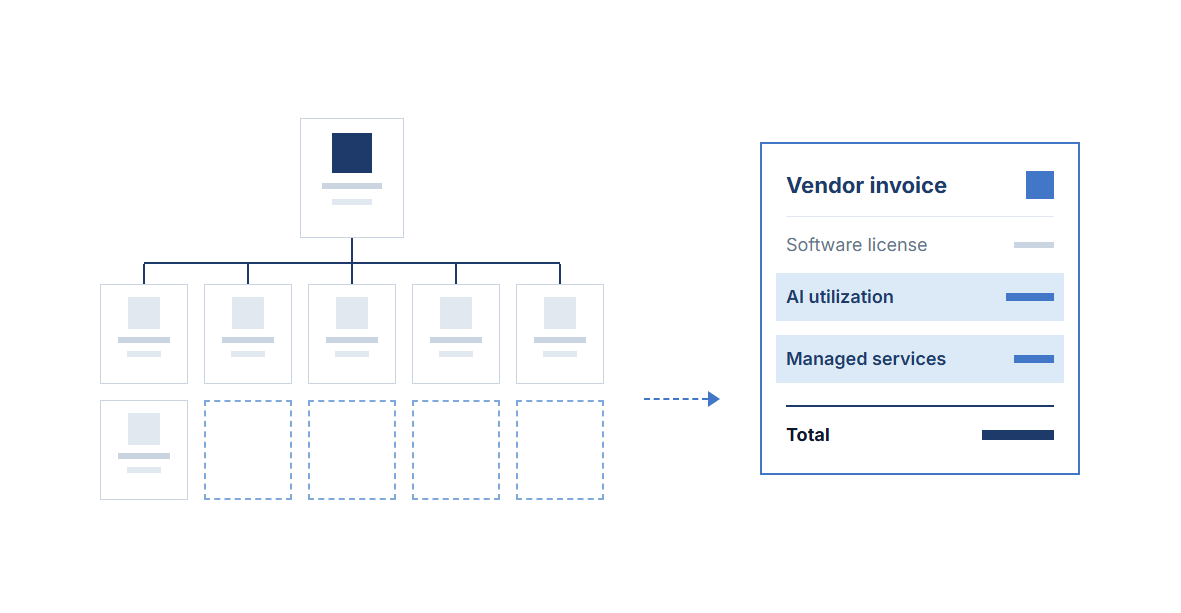
The cold, hard reality is that vendors see an opportunity to reduce back-office headcount and capture a portion of the resulting savings.
If an HR department currently employs 10 people, perhaps AI allows it to operate with 6. That's potentially hundreds of thousands of dollars in annual savings, some of which can now flow to the software vendor.
And this isn't just a vendor talking point.
I spoke with an HRIS leader at a 6,000-person organization who manages a team of eight. His mandate is that everyone on his team needs to be building agents and automating tasks, and the rest of their workload will be fractionalized.
That's a pretty remarkable directive, and I suspect it's a preview of what's coming.
2. The biggest AI adoption opportunity may be managed services
One thing that became clear in these conversations is that AI is already capable of handling many of the repetitive tasks HR teams perform every day.
The limiting factor is increasingly orchestration. Who is actually going to build the workflows, deploy the agents, and turn those capabilities into operational results?
I see three potential groups driving adoption.
The customers themselves. Vendors are making AI accessible through natural language, allowing HR teams to create automations without specialized technical skills.
There will certainly be successes here, but I suspect adoption will be slower than vendors expect. People are comfortable with existing processes, and many won't feel confident designing agents for complex, high-stakes workflows.
The software vendors. This is where I see the biggest opportunity.
Nearly every major HCM vendor is expanding into managed payroll, managed benefits, or other outsourced services.
Paylocity articulated this particularly well in a recent conversation. AI can handle the rote work, while experienced professionals provide the judgment and expertise needed to manage exceptions and make decisions.
Now imagine taking that model further.
What if vendors offered managed services for agent building, workflow design, and AI orchestration?
Customers could effectively say, "I'll pay you more if you can take these AI capabilities and actually deliver the productivity gains you're promising."
That seems like an enormously attractive business model.
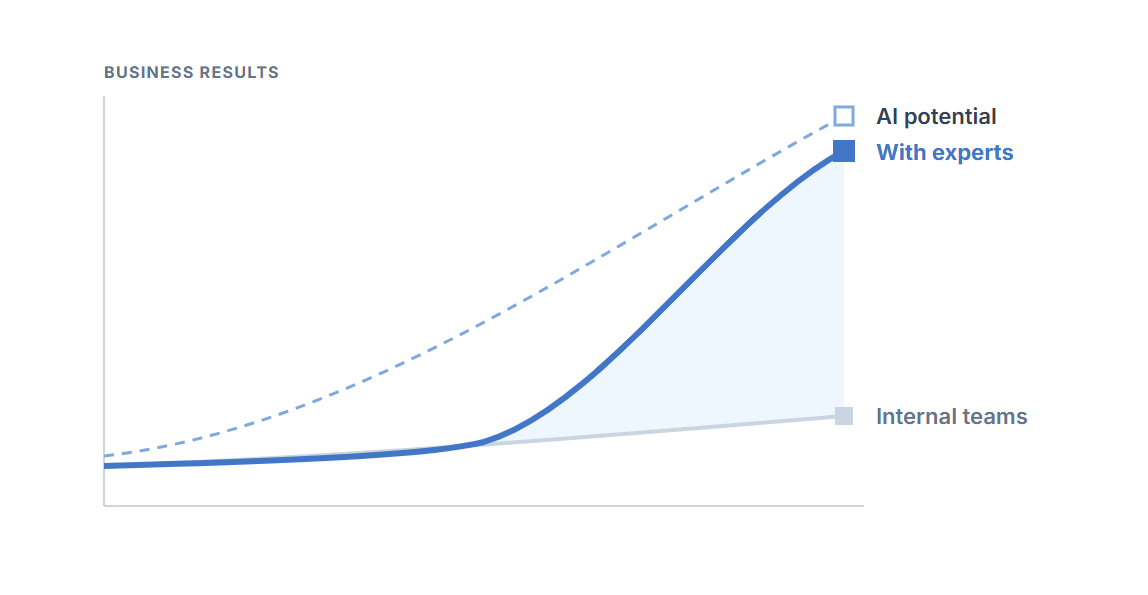
Third-party consultants. There's certainly room for independent consulting firms to help close the adoption gap too.
But I think this group faces two challenges.
First, vendors may decide to capture that revenue themselves if they can deliver the service profitably at scale.
Second, the consulting ecosystem needs to develop new technical capabilities.
We have plenty of talented consultants who know how to manage payroll and handle the blocking and tackling of HR operations. But the next generation will need expertise in AI orchestration, organizational design, workflow engineering, and integrations.
That talent exists today, but it's far from the norm.
3. The big HCM vendors are positioned to get even bigger
Remember the SaaS apocalypse narrative, when everyone was predicting AI would dismantle the established software giants?
I'm increasingly convinced the opposite could happen in HCM.
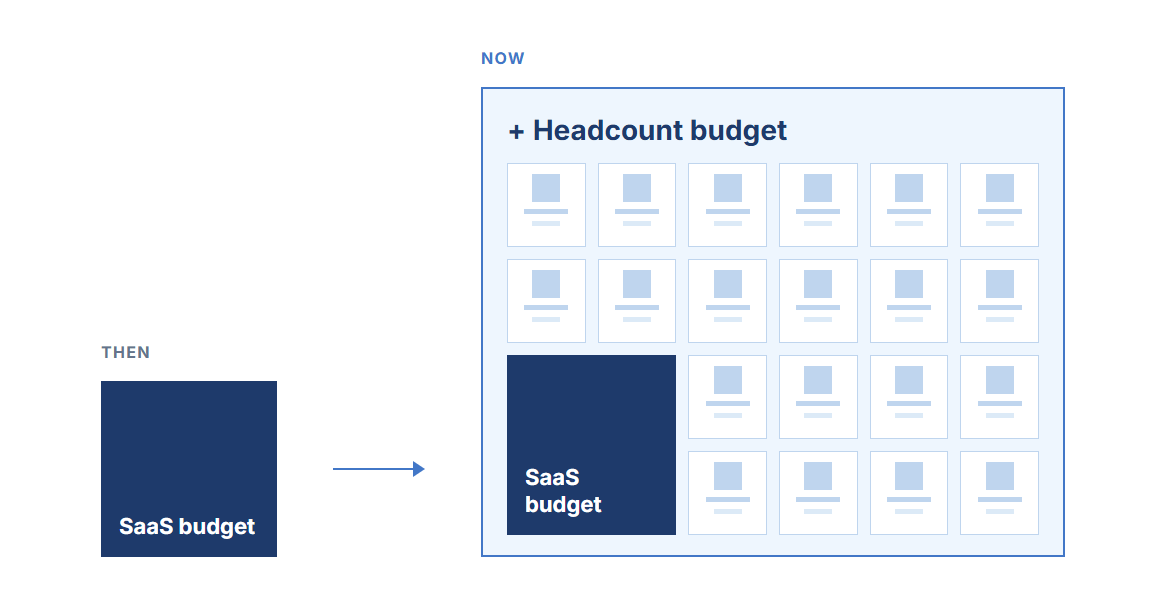
The largest vendors have an enormous advantage because their addressable market is expanding beyond software budgets into labor budgets.
They're no longer competing exclusively for a company's HR technology spend. They're positioning themselves to capture a portion of the savings created by reducing back-office headcount.
And they can combine sophisticated AI capabilities with managed services to actually deliver those savings.
That's a powerful competitive advantage.
Frankly, I spent less time in the startup pavilion at HR Tech this year than I ever have before.
I don't say that happily. I cheer for the small guys and would love to see more disruptors break through. But I think the competitive moats around the established HCM platforms are getting stronger.
For standalone point solutions, it's becoming a tough, tough market.
My advice would be to specialize in areas that are so complex and compliance-heavy that major vendors would rather partner than build.
Leave management and Employer of Record (EOR) are two good examples.
Then build an embedded distribution strategy so the major HCM platforms can become your channel.
Trying to sell another standalone application directly to HR departments is going to become increasingly difficult.
4. HCM software has come incredibly far, but we're still waiting for the AI-native breakthrough
One of my more positive takeaways was simply appreciating how far this industry has come.
Seeing demonstrations of ADP Lyric, Workday's Sana capabilities, and other redesigned HCM platforms was genuinely impressive.
The interfaces, integrations, and overall sophistication of these systems are dramatically better than what existed when I entered the industry 8.5 years ago.
What's particularly interesting is how HCM has evolved relative to other enterprise software categories.
When I started, ERP vendors like NetSuite, Sage, Dynamics, and QuickBooks seemed every bit as relevant and innovative as the HCM vendors.
Today, I see far more dynamism in HCM.
The established players continue to innovate, while newer companies like Deel, Rippling, and HiBob have pushed the entire market forward.
Compare that with CRM, where Salesforce and HubSpot remain the dominant names, or ERP, where the competitive landscape feels relatively static.
HCM has become one of the most interesting categories in enterprise software.
That being said, I still think there’s an entire generation of solutions still to come.
Most of what we're seeing is AI supercharging the software we already have.
The interfaces are becoming menuless. Instead of navigating through dozens of screens, users can type a request into a search bar and get what they need.
That's terrific progress.
But it still feels like we're using AI to finally deliver on what traditional software always promised.
We haven't yet seen many genuinely strange, unpredictable, AI-native experiences emerge in mainstream HCM.
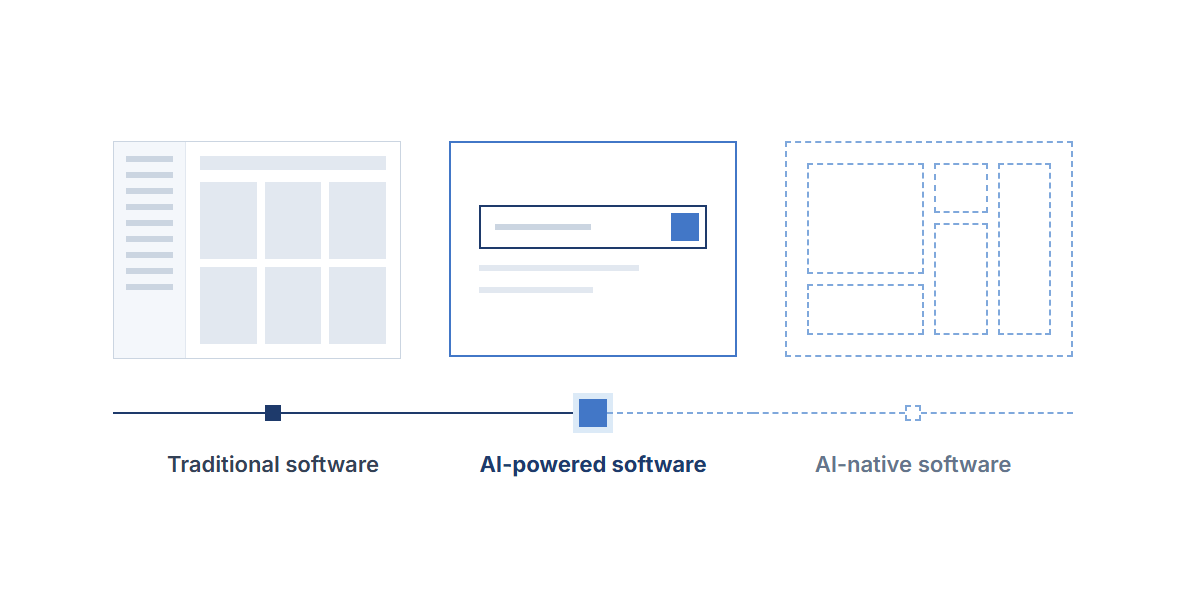
I've seen demonstrations from companies like Winslow and Sol that take a more first-principles approach, including software modules and functionality that can be generated on the fly from a prompt.
That opens up a much more interesting question.
Will the winning platforms simply use AI to make existing software dramatically more effective? Or will entirely new applications emerge that enable things we haven't even imagined yet?
I suspect we haven't seen the most interesting part of this story.
5. Employee benefits brokers should be paying very close attention
My final takeaway is a warning to the employee benefits brokerage community.
If you've been following the economics throughout this article, you'll notice a recurring theme: organizations are planning for smaller headcounts.
That's potentially a serious problem for benefits brokers.
Headcount determines how many employees are enrolled in benefits plans, how much employers spend on premiums, and ultimately how much commission revenue brokers collect.
Let's use a simplified example.
Imagine a company employs 1,000 people, each earning $150,000 in salary with another $30,000 in annual benefits.
That's $180 million in annual employment costs, including $30 million in benefits spending.
Now imagine AI and automation allow that company to reduce its workforce by 20%, across HR, finance, customer support, and other departments.
The remaining 800 employees receive the same compensation and benefits. But the company now spends $20,000 per remaining employee on AI and another $8 million annually on managed services.
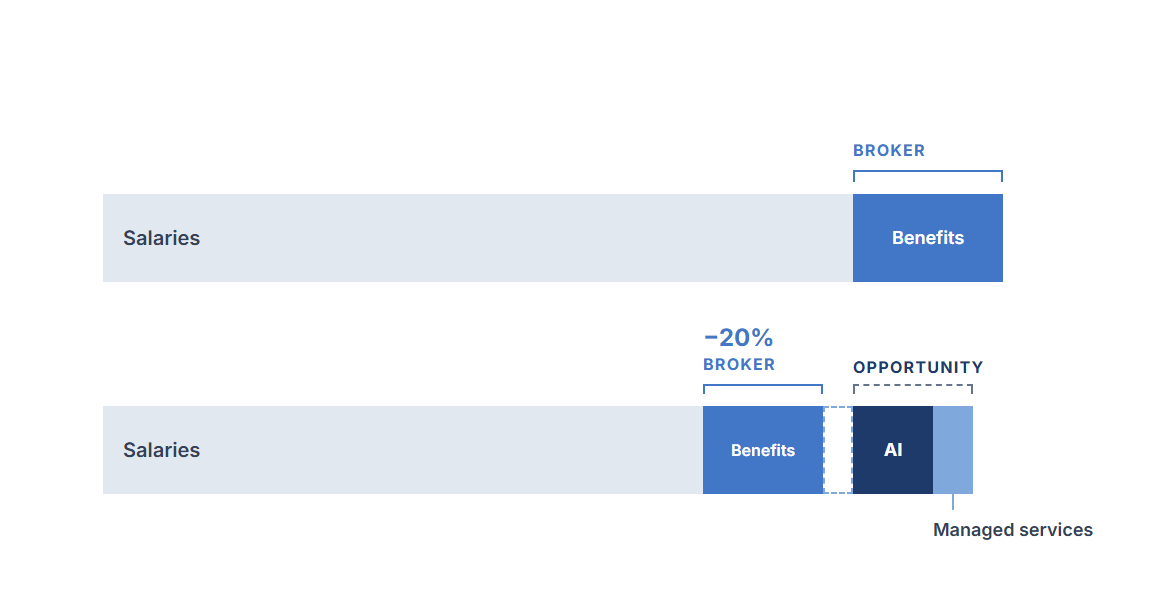
The result? The company's annual employment costs fall from $180 million to $144 million. Even after spending another $24 million on AI and managed services, the employer saves $12 million annually.
That's a compelling trade if productivity remains constant.
But look at what happens to the benefits broker.
Their client's benefits spending just fell from $30 million to $24 million, a 20% reduction.
Meanwhile, the company has created an $24 million technology and services budget that a traditional benefits-only brokerage has no way of monetizing.
This is why we've been beating the drum for years that benefits brokers need to become HR technology advisors.
For a long time, that argument was about delivering more value to clients, strengthening relationships, and creating additional revenue streams.
Now the economics are becoming much more urgent.
If employers increasingly redirect spending from headcount and benefits toward technology and outsourced services, brokers who only participate in benefits spending will see their addressable revenue pool shrink.
Those with HR technology advisory capabilities will be positioned to participate in the budgets that are growing.
The next chapter of HR technology
I left these events more bullish than ever on the HCM industry.
The technology is improving at a remarkable pace, and the opportunity for vendors to solve bigger operational problems has never been greater.
But the economics underneath the industry are changing just as quickly.
Software vendors are beginning to compete for labor budgets. Managed services could become the bridge between AI capabilities and actual productivity gains. And the established platforms have a real opportunity to strengthen their positions.
For consultants and benefits brokers, the question is whether we can evolve our capabilities and business models quickly enough to participate in that future.
Because the dollars are already starting to move.